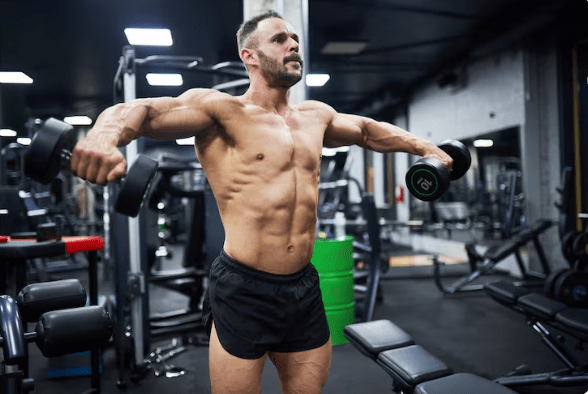
Most of us start fitness with one big question in mind… should we lose fat first or build muscle first? It sounds like one of those situations where we have to choose a side. But honestly, our bodies are not always that dramatic.
A lot of people beginning their fitness journey through a Certificate IV in Fitness Melbourne course quickly realize something interesting. Real progress is usually messier, slower, and way more realistic than those flashy “30-day transformations” online.
We have probably all noticed it before. Someone starts working out regularly, eats a bit better, sleeps properly for once… and suddenly they look different. Their clothes fit better. Their face looks leaner. They seem stronger. Yet the scale barely changes.
That can happen because the body is losing fat while also building muscle at the same time.
And yes… it is actually possible.
So What Does That Really Mean?
People in fitness often call this “body recomposition.” Sounds complicated, but it is not.
Basically, the body starts using stored fat for energy while also repairing and building muscle from training. Both things can happen together if we give the body the right routine and enough time.
The problem is… most people expect results way too fast.
We try extreme diets. We cut out every food we enjoy. We spend hours doing cardio until our legs feel like jelly. Then after two weeks we feel miserable and quit completely.
Ugh… we have all been there at some point.
The funny thing is, body changes usually happen faster when we stop trying to punish ourselves.
Who Usually Sees Results Faster?
Some people notice body recomposition more quickly than others.
Usually it works really well for:
- Beginners starting strength training
- People returning after a long break
- Anyone carrying extra body fat
- People improving poor eating habits
- Those finally becoming consistent with workouts
When the body is getting proper movement and nutrition for the first time in a while, it responds pretty quickly.
That is why beginners sometimes look completely different after a few months even though they are not doing anything crazy.
Meanwhile, people who have trained for years may still build muscle and lose fat together… just slower. The body adapts over time.
A little unfair maybe. But normal.
Strength Training Changes Everything
There is still this old idea that fat loss means endless cardio.
Hours on treadmills. Sweaty spin classes every single day. Random ab workouts from social media.
Cardio is fine, honestly. Walking, cycling, swimming, short runs… all helpful.
But if we want muscle too, strength training matters much more.
Things like:
- Squats
- Push-ups
- Rows
- Deadlifts
- Shoulder presses
…tell the body to hold onto muscle and build more strength.
And muscle really changes how the body looks. That “toned” look people talk about? That usually comes from having more muscle underneath.
Without strength training, people sometimes lose weight but still feel soft or weak.
That part surprises a lot of people.
Food Does Not Need To Be Perfect
This is where things usually become stressful.
People start tracking every crumb. Suddenly eating feels like math homework.
Honestly… most people do not need perfection.
They just need better consistency.
Protein helps a lot because muscles need it to recover after training. It also keeps us fuller longer, which helps with fat loss too.
Simple foods work perfectly fine:
- Eggs
- Chicken
- Greek yogurt
- Fish
- Lentils
- Cottage cheese
- Protein shakes if needed
And no, one takeaway meal does not ruin progress.
We sometimes act like eating one burger suddenly destroys months of hard work. It does not.
What matters more is what we do most of the time.
That is where people studying a certificate 3 in fitness often start understanding fitness differently. Sustainable habits beat extreme plans almost every single time.
Not exciting advice maybe… but very real.
Recovery Gets Ignored Way Too Much
This part hardly gets enough attention.
We train hard, stay stressed all day, sleep five hours, drink barely any water… then wonder why the body feels exhausted.
Muscles do not grow during workouts.
They recover and rebuild afterward.
That means rest matters too.
Sometimes progress comes from simple things like:
- Sleeping earlier
- Taking recovery days
- Stretching a little
- Going for walks
- Drinking enough water
Sounds boring. We know.
Still important though.
The Scale Can Be Weird Sometimes
This part frustrates people constantly.
When we build muscle and lose fat together, the scale may not move much at all. Sometimes it even goes up slightly.
And honestly? That can completely mess with motivation.
But the mirror often tells a different story.
Clothes fit better. Energy improves. Workouts feel easier. Arms and legs look stronger.
That stuff matters too.
We sometimes forget the goal is not just becoming lighter. Most people actually want to feel healthier, stronger, and more confident.
Big difference.
Patience Is The Hardest Part
Nobody likes hearing this part, but real body changes take time.
Not one week.
Not two weeks.
Usually months.
Some weeks feel amazing. Other weeks feel painfully slow.
There are days motivation disappears completely and workouts feel terrible. Totally normal.
The people who usually succeed are not always the most disciplined or naturally fit. They are often just the people who keep showing up consistently… even on average, boring days.
That is where real progress starts.
Final Thoughts
Yes… losing fat and gaining muscle at the same time is possible. But it usually happens through simple habits done consistently, not extreme routines.
Strength training regularly, eating enough protein, moving more during the day, recovering properly, and being patient all play a huge role.
Some days will feel productive. Other days will feel messy and unmotivated.
That happens to everybody.
The important thing is continuing anyway.
Because small consistent effort over time usually works far better than chasing quick fixes that only last a few weeks.
FAQs
1. Can beginners lose fat and gain muscle faster?
Yes, beginners often notice quicker changes because their bodies respond fast to proper training and better eating habits.
2. Do we need to stop eating carbs to lose fat?
No, carbs are not the enemy. Balanced meals with protein, carbs, and healthy fats usually work much better long term.
3. How many days a week should we strength train?
For most people, around 3 to 5 strength sessions each week is a good starting point.
4. Is cardio still important?
Yes, cardio supports heart health and helps burn calories, but strength training is very important for muscle growth and body shape.
5. How long does body recomposition usually take?
Everybody is different, but noticeable changes often take several weeks or months of consistent training and nutrition habits.


Leave a comment